
England, circa 1680.
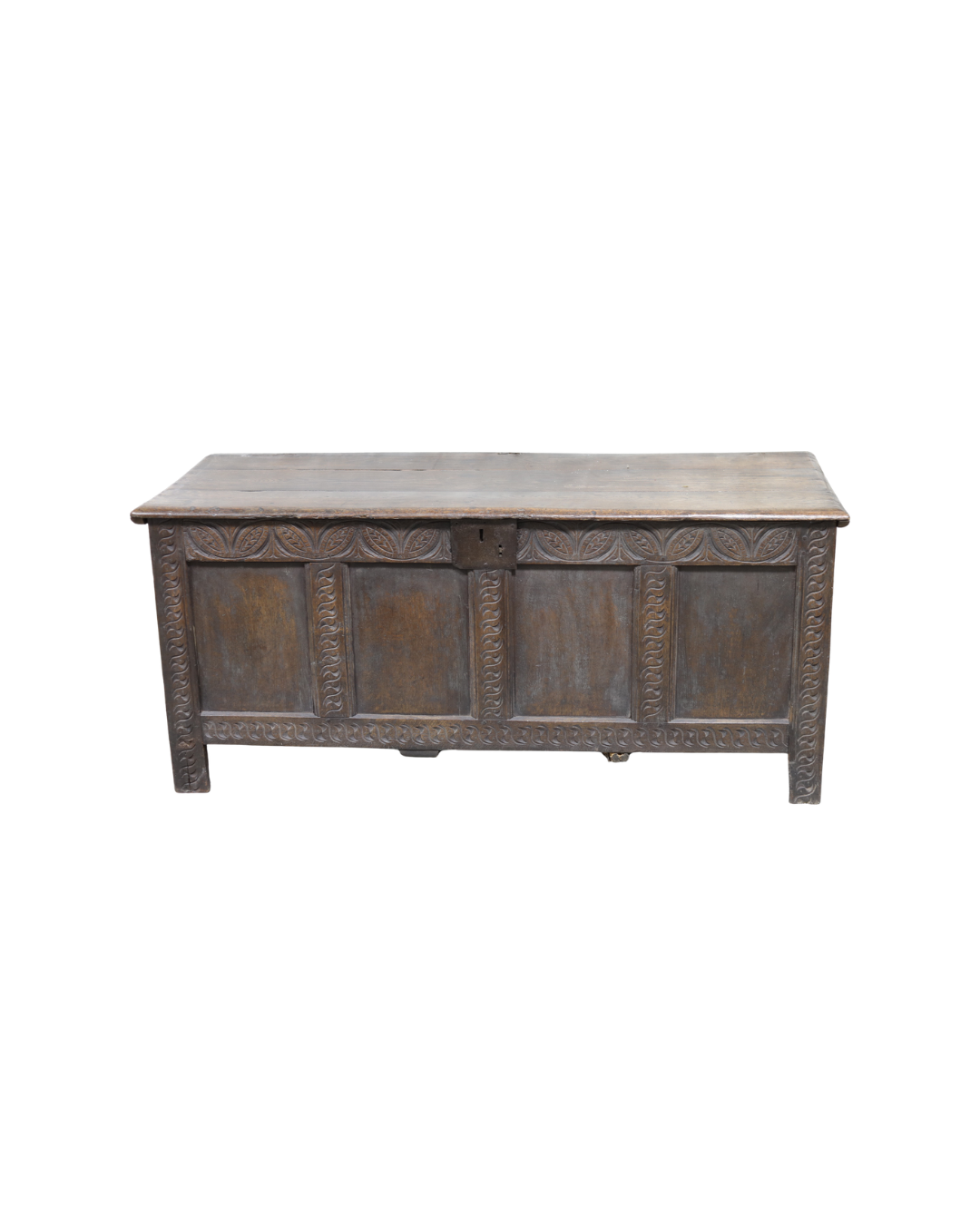
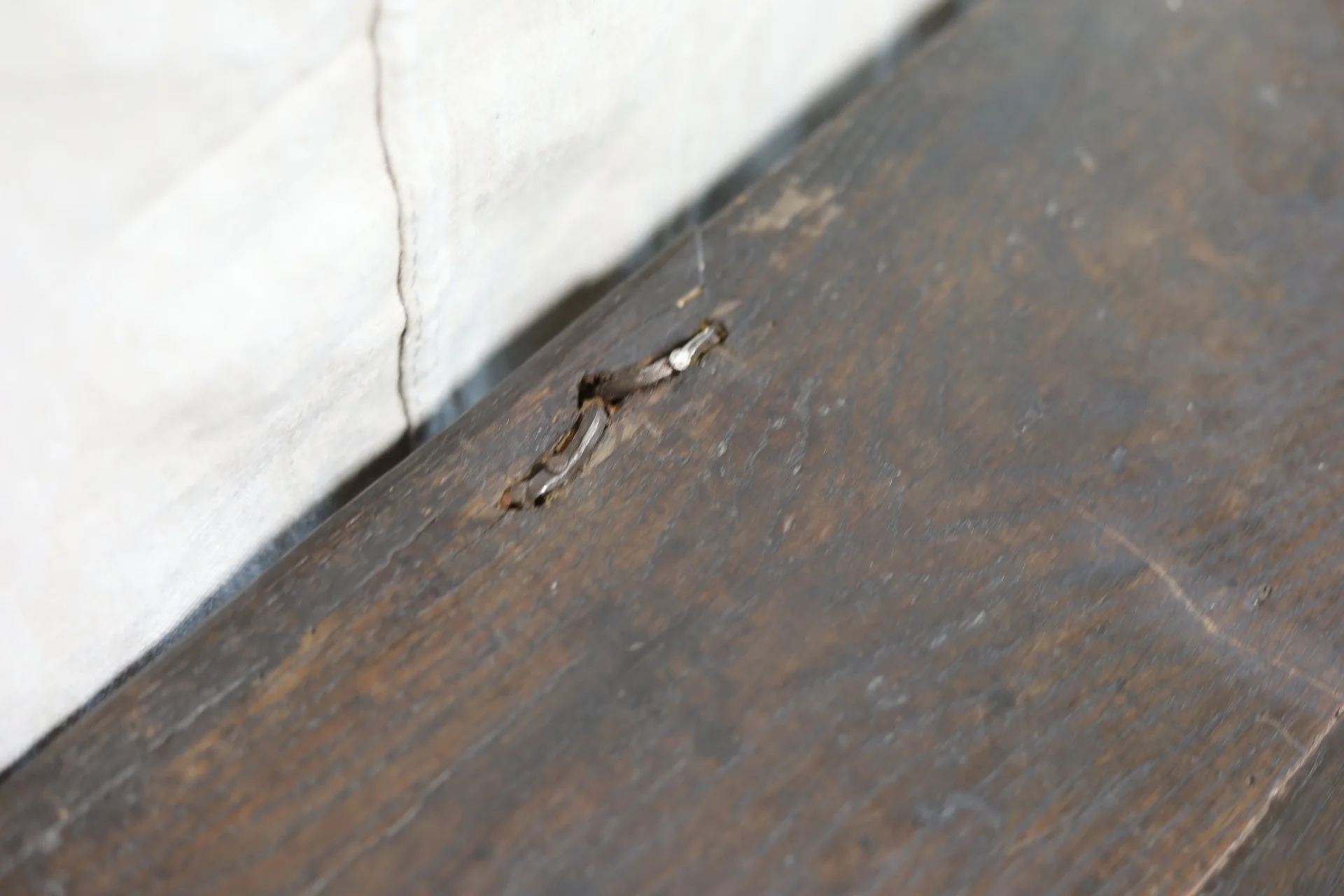
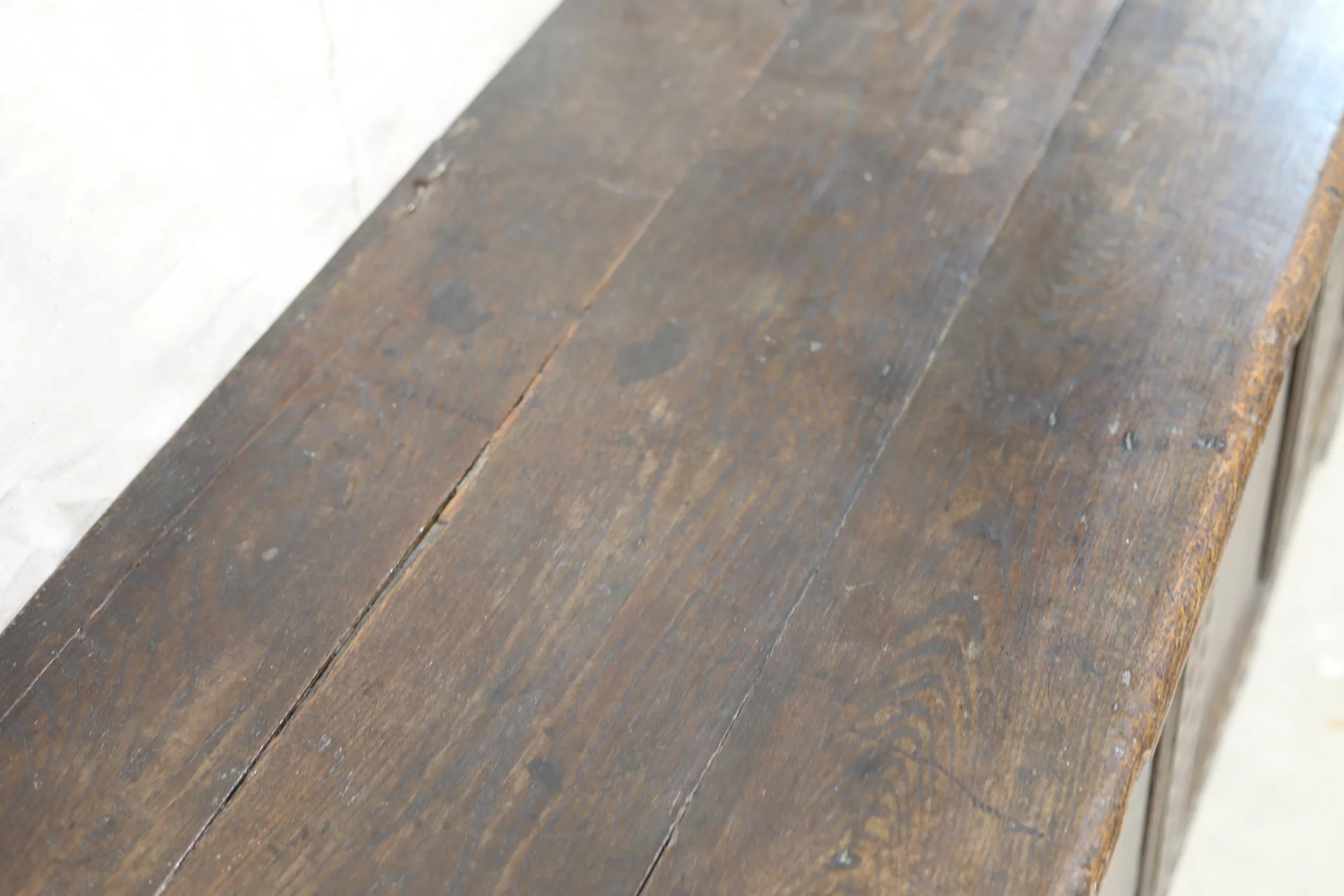
Nearly six feet of English oak, carved by hand and worn by almost 350 years of use.
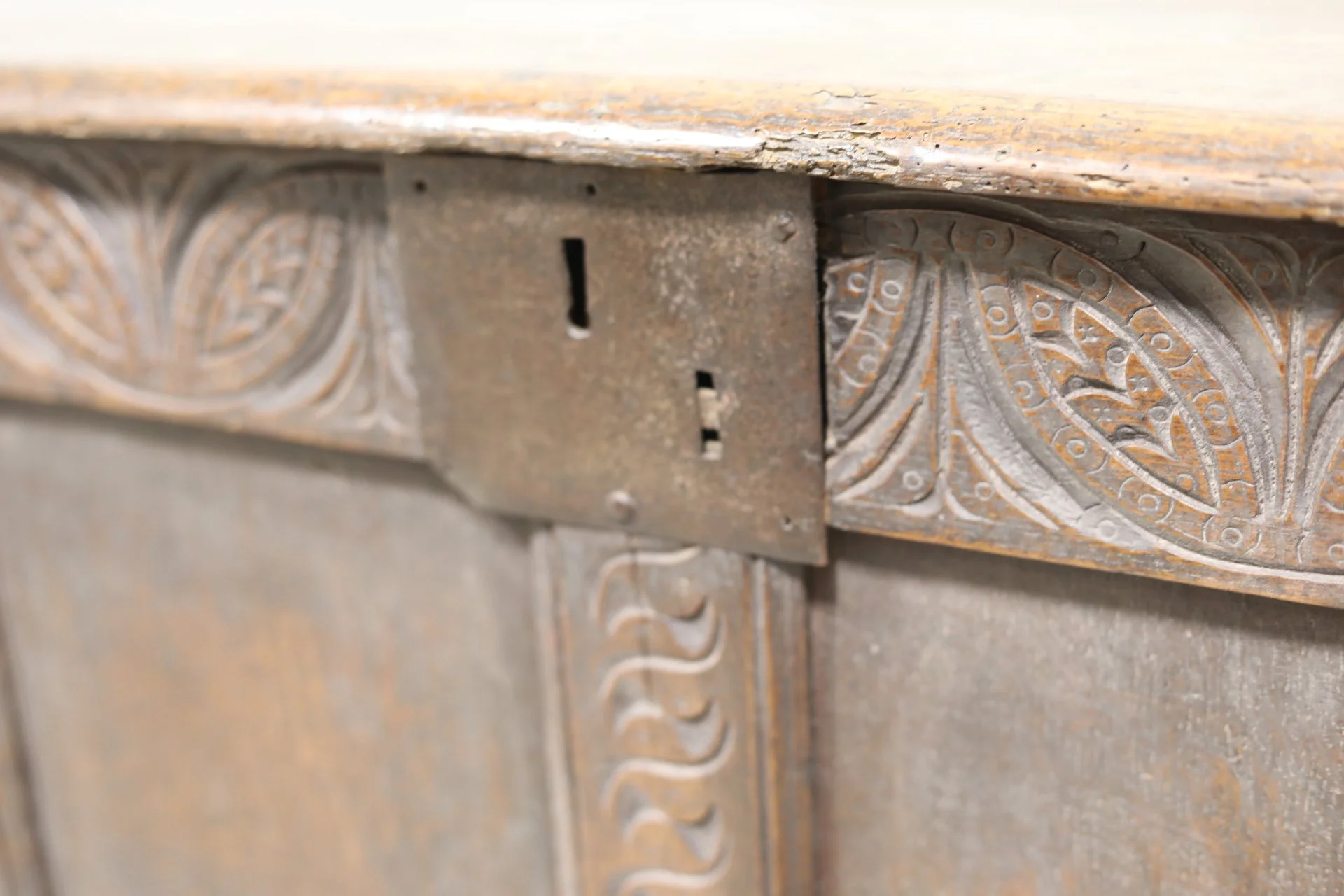
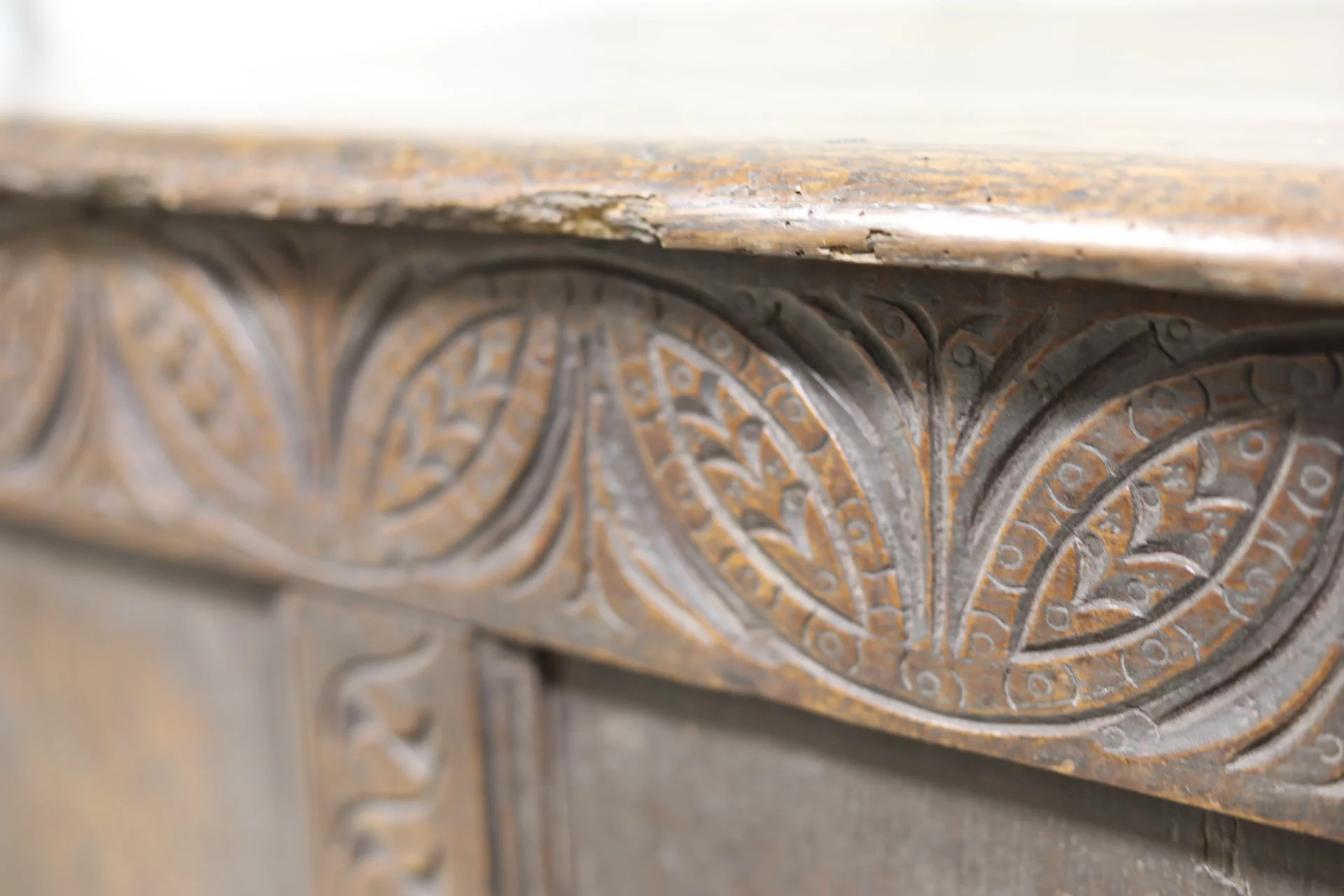
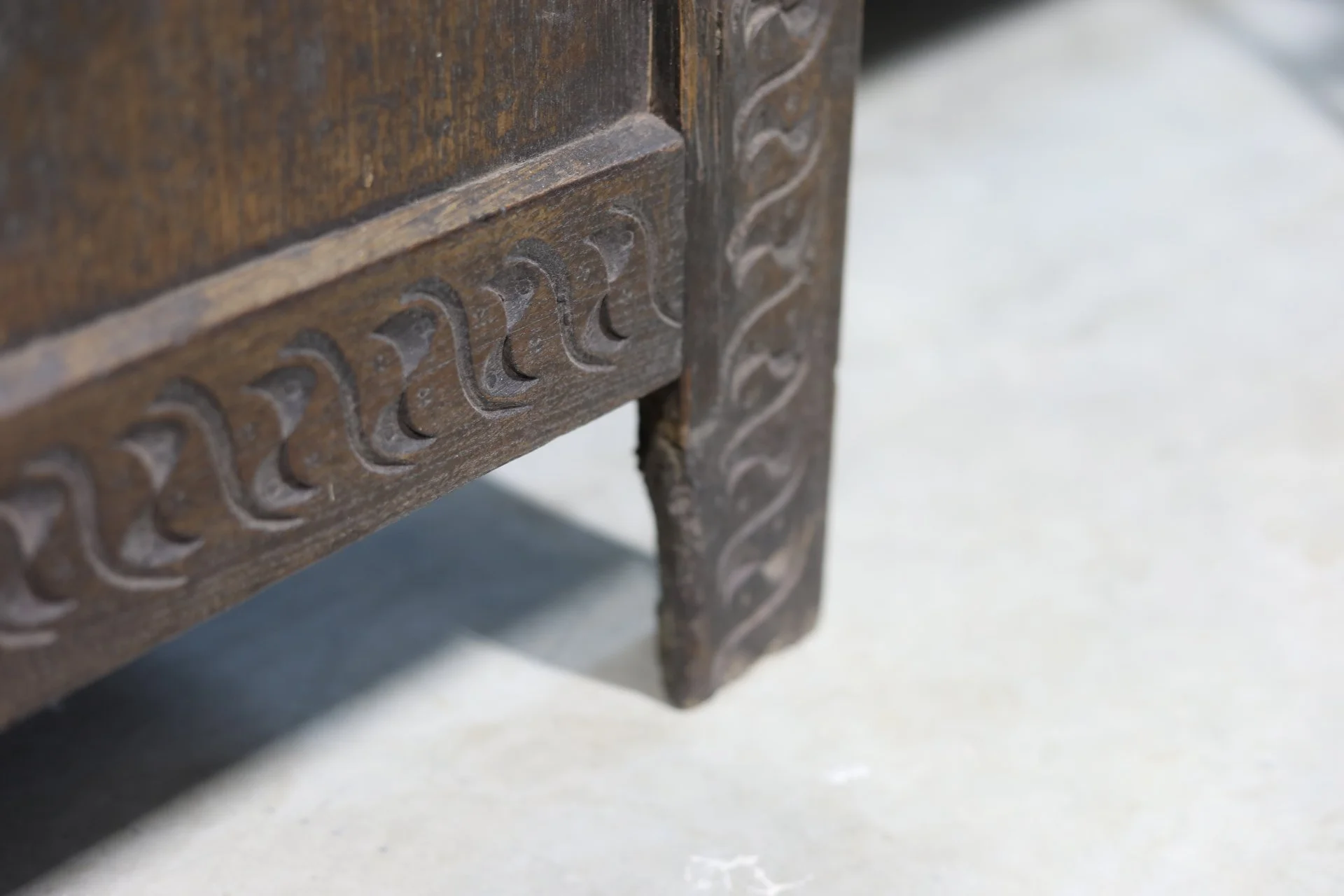
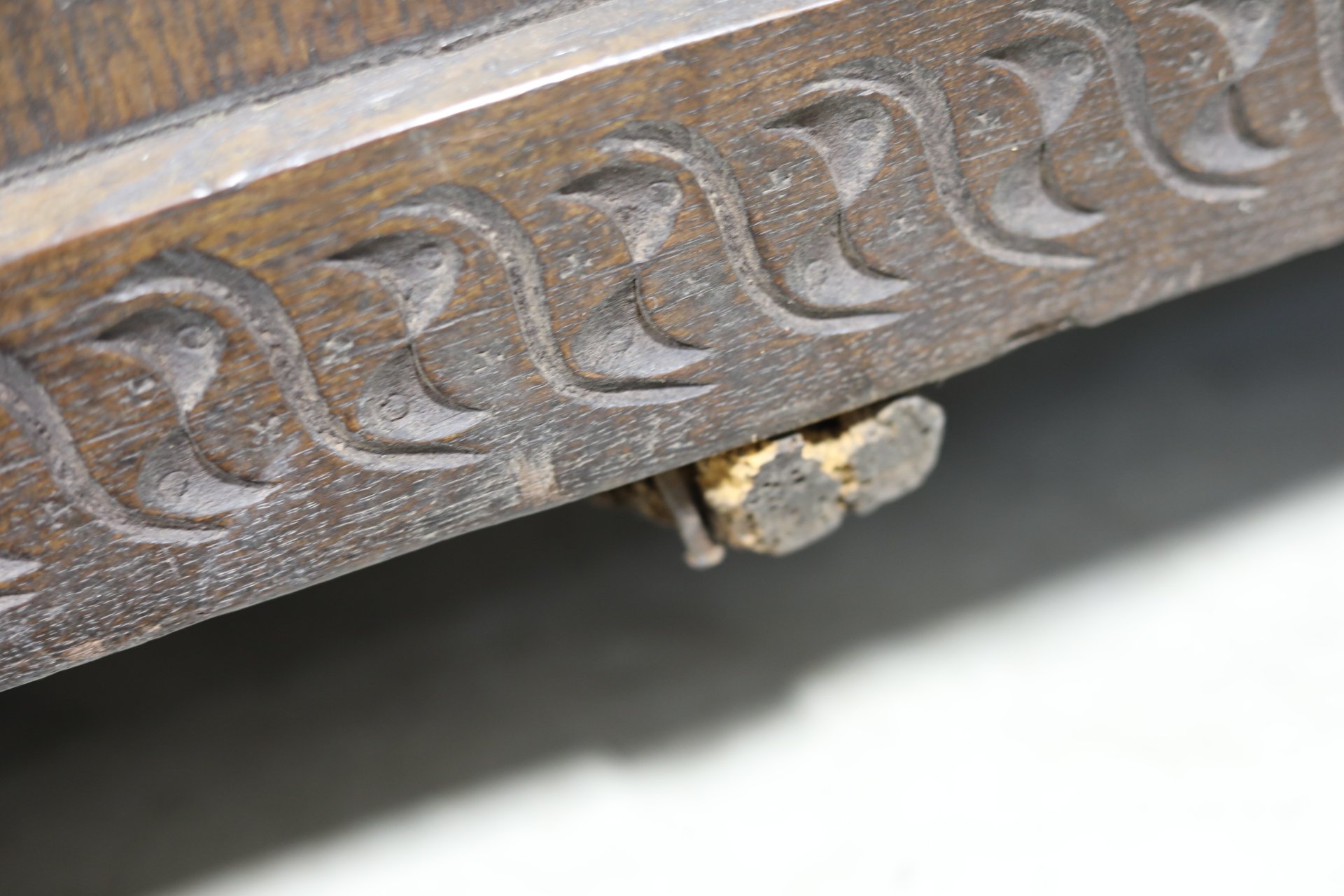
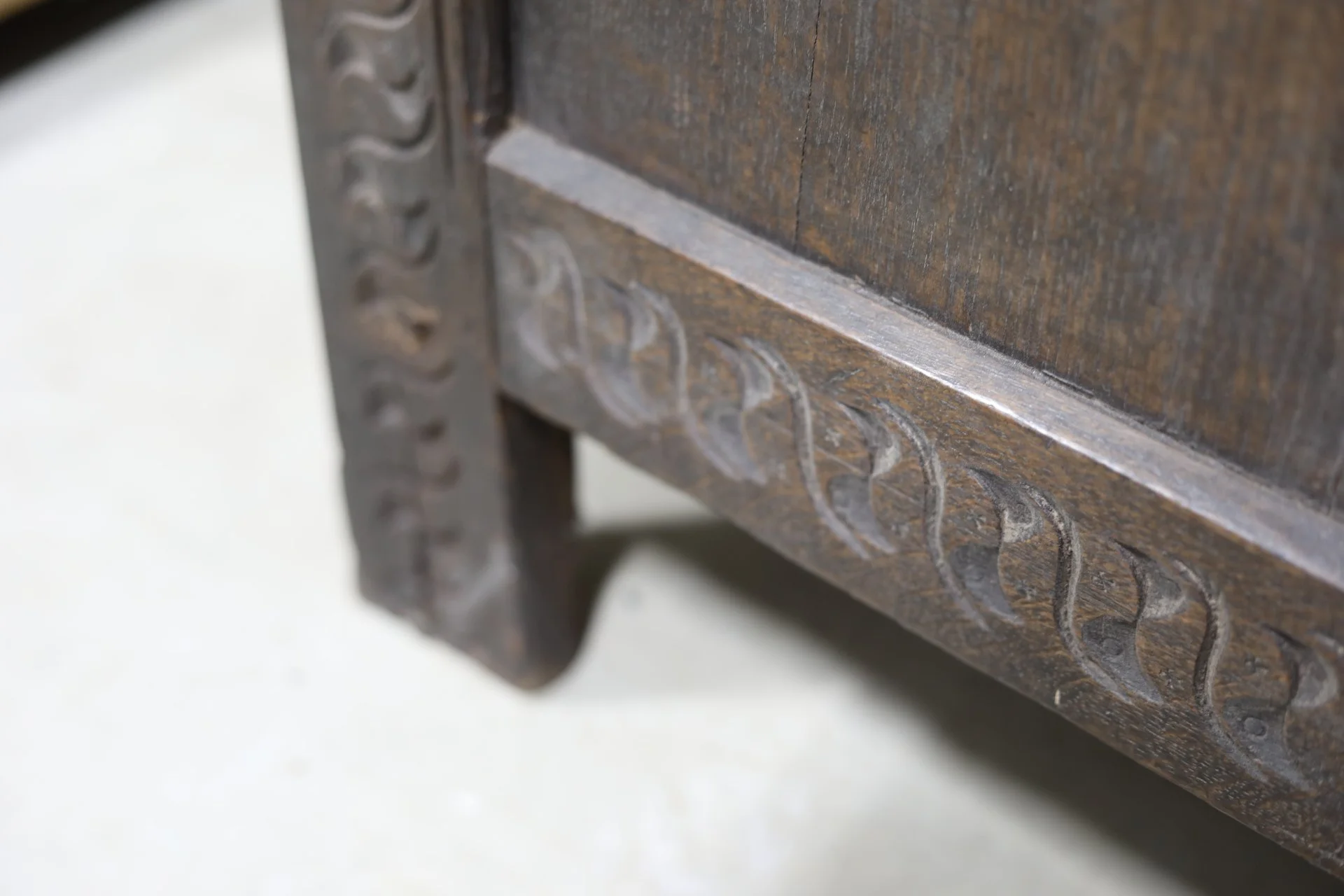
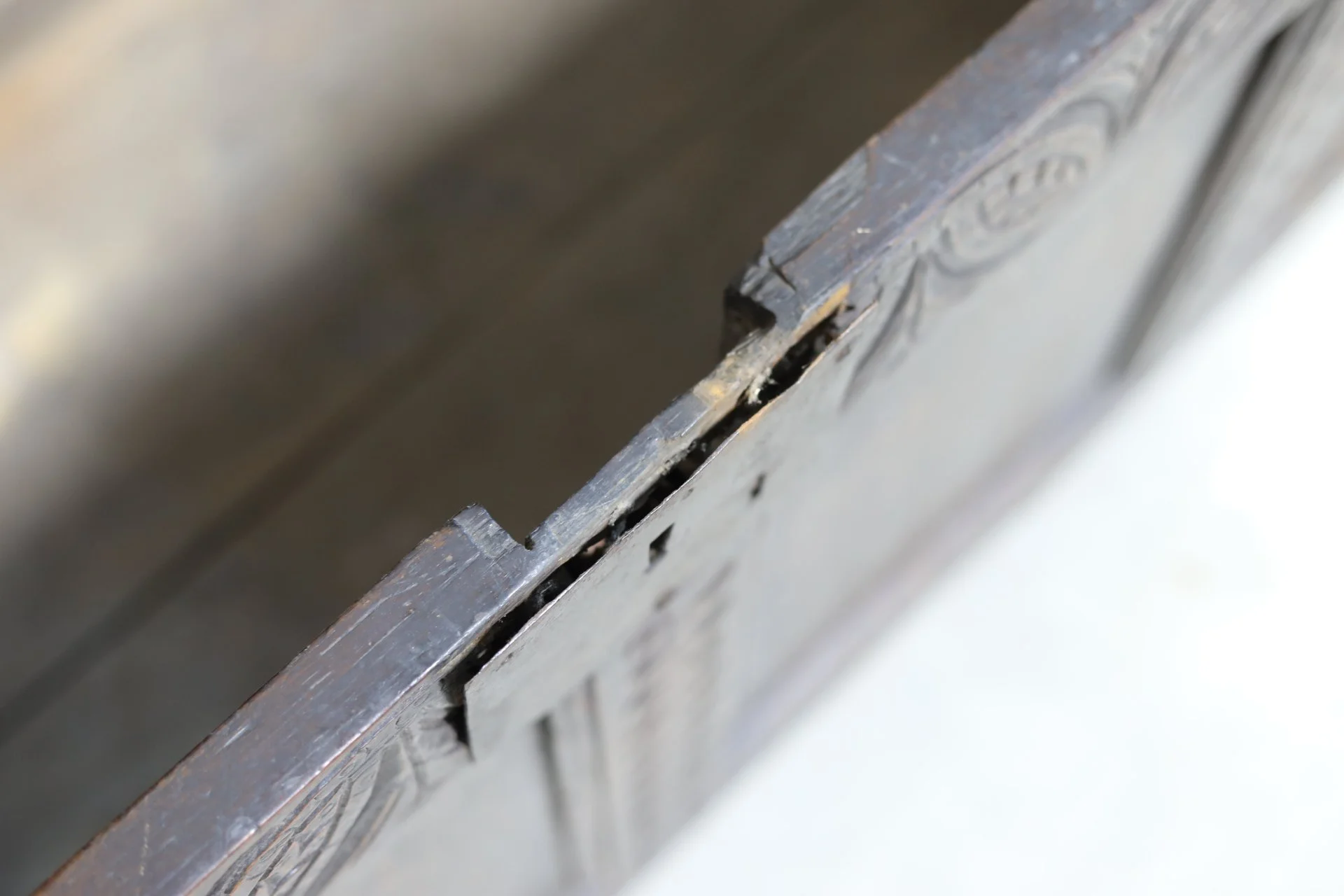
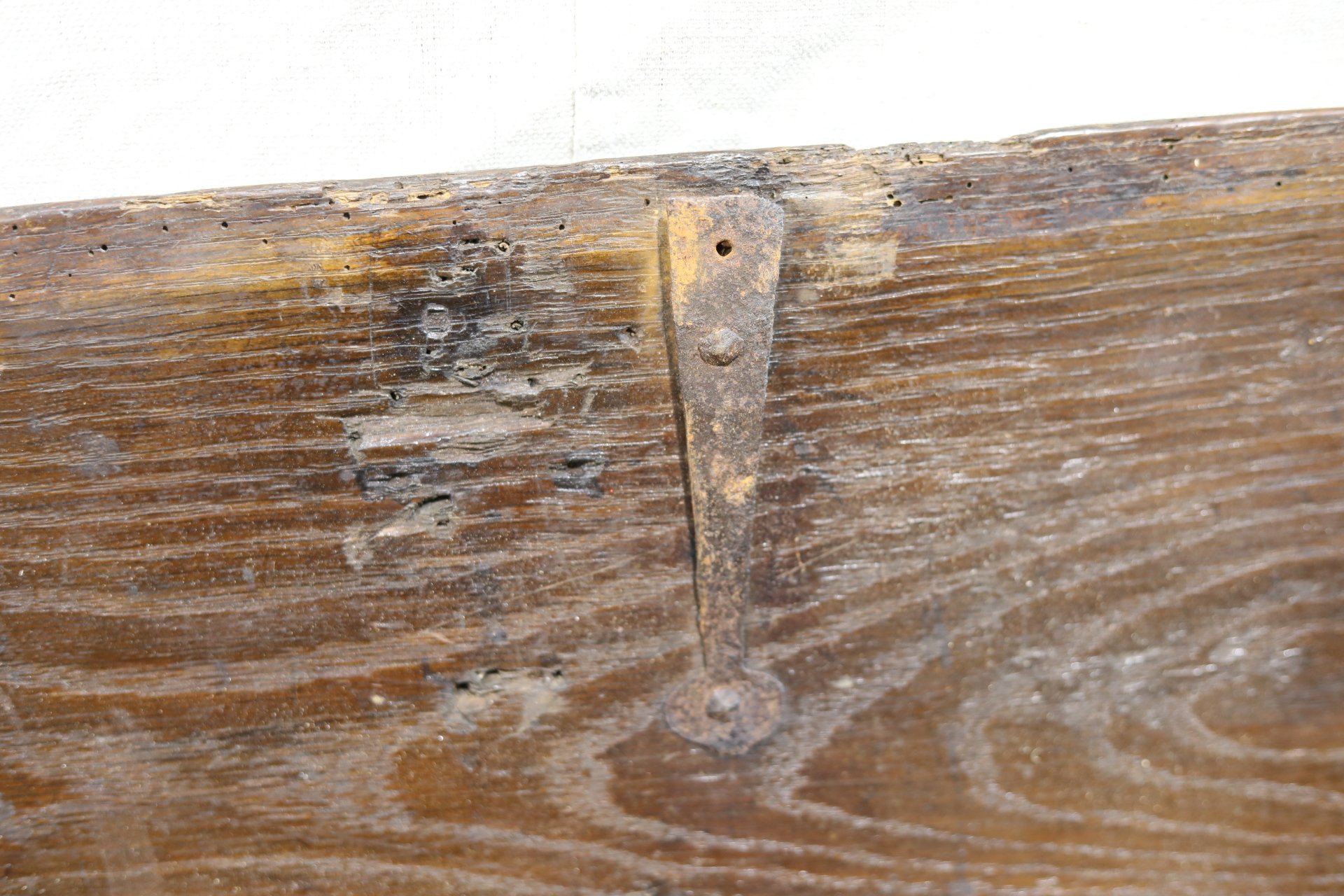
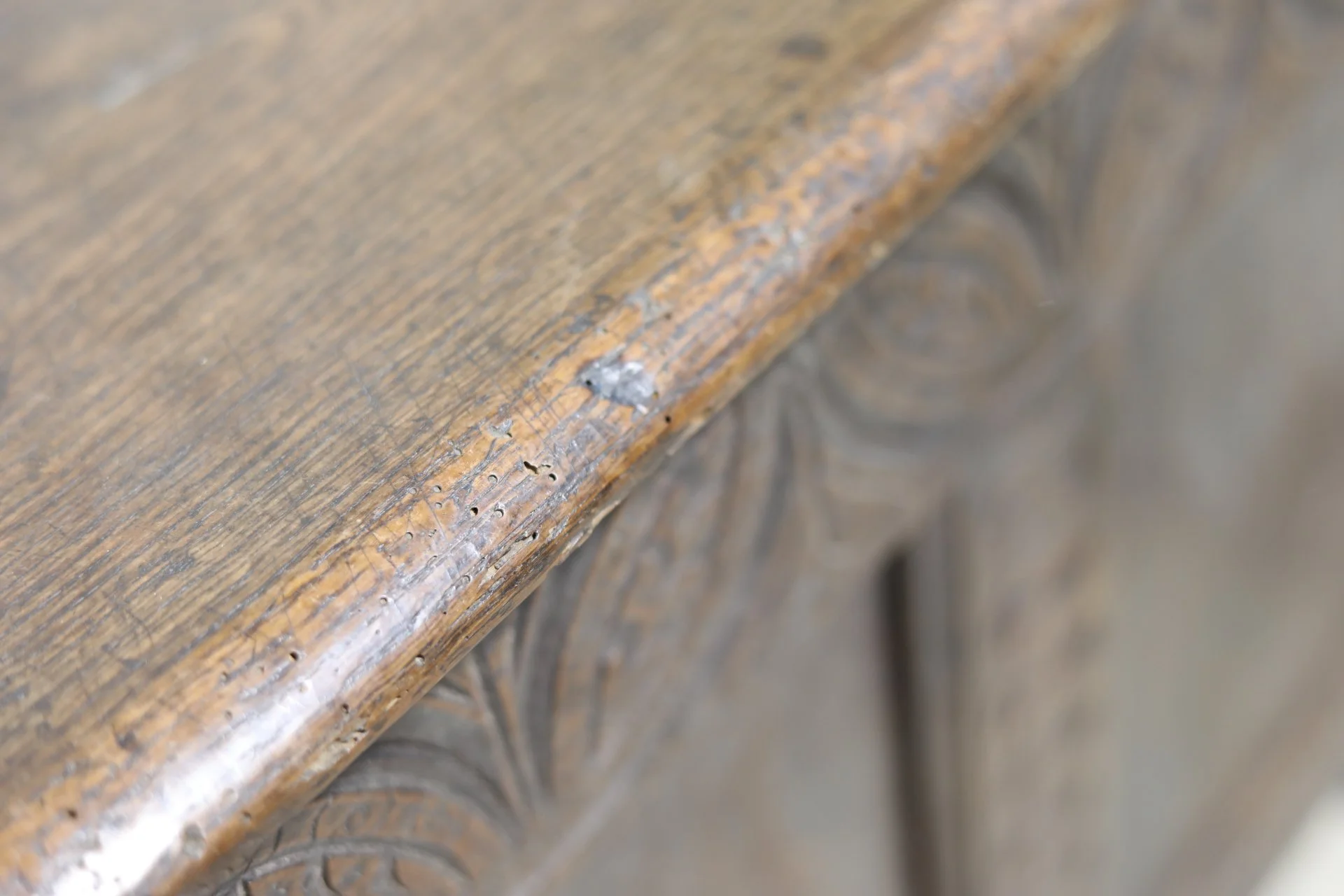
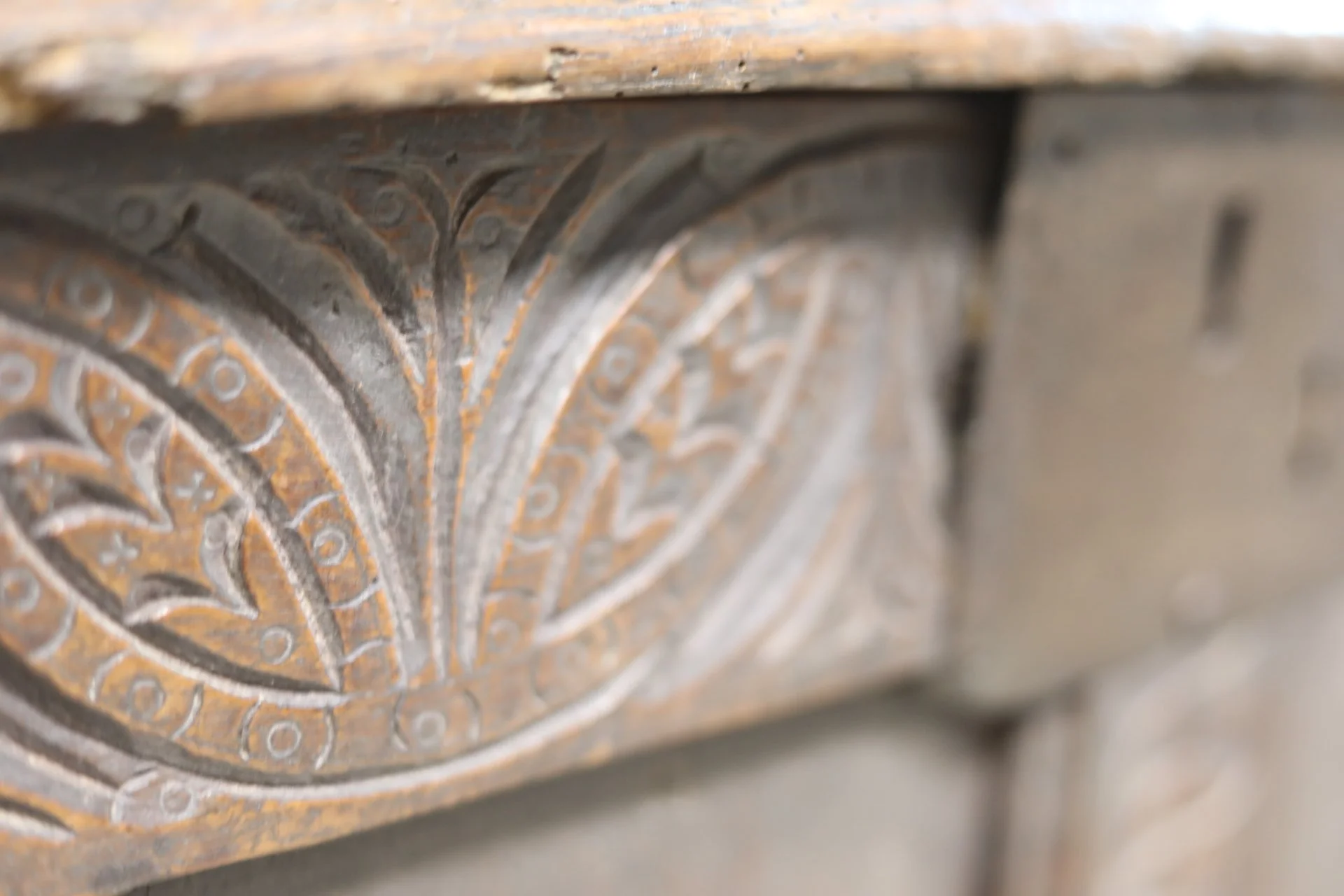
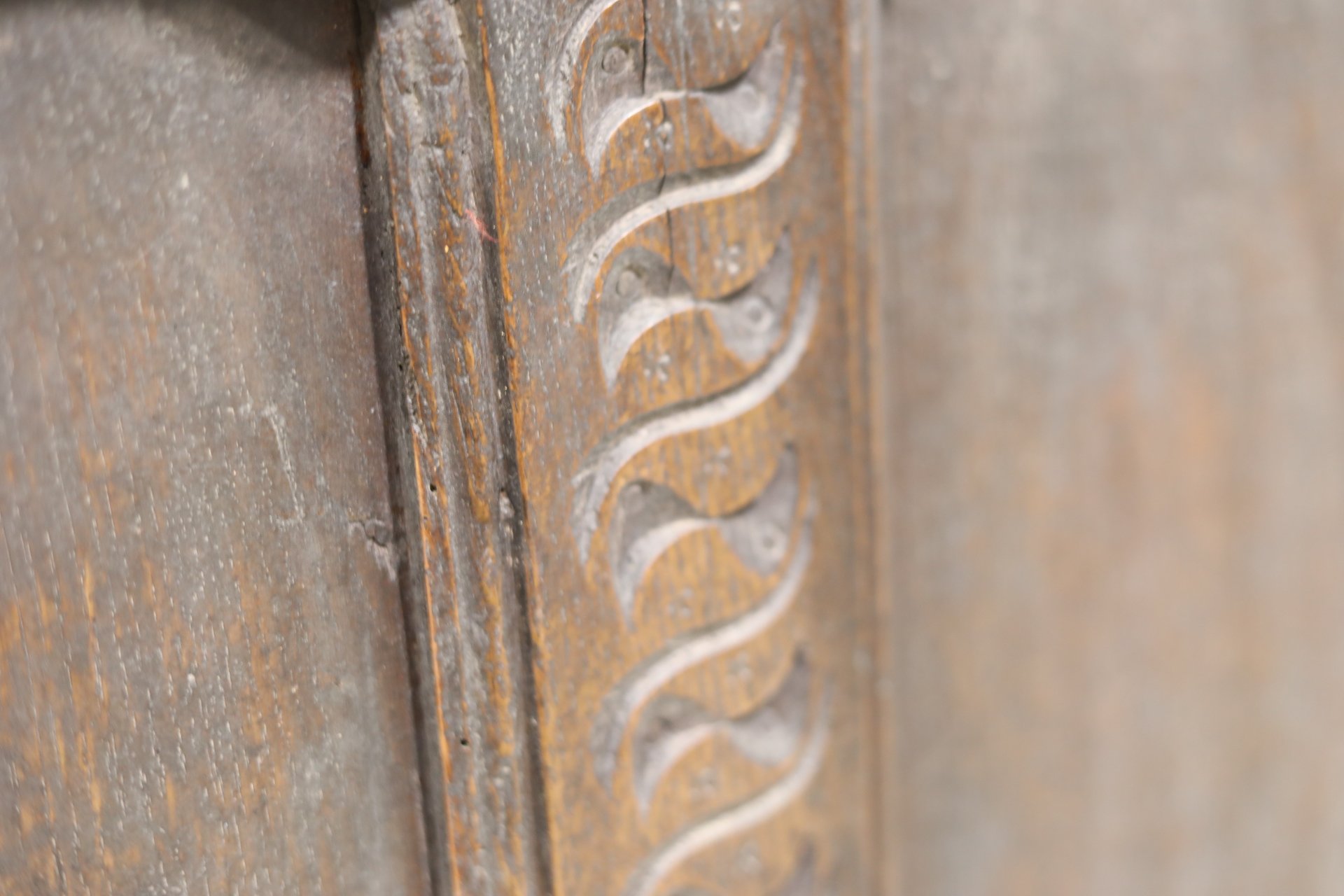
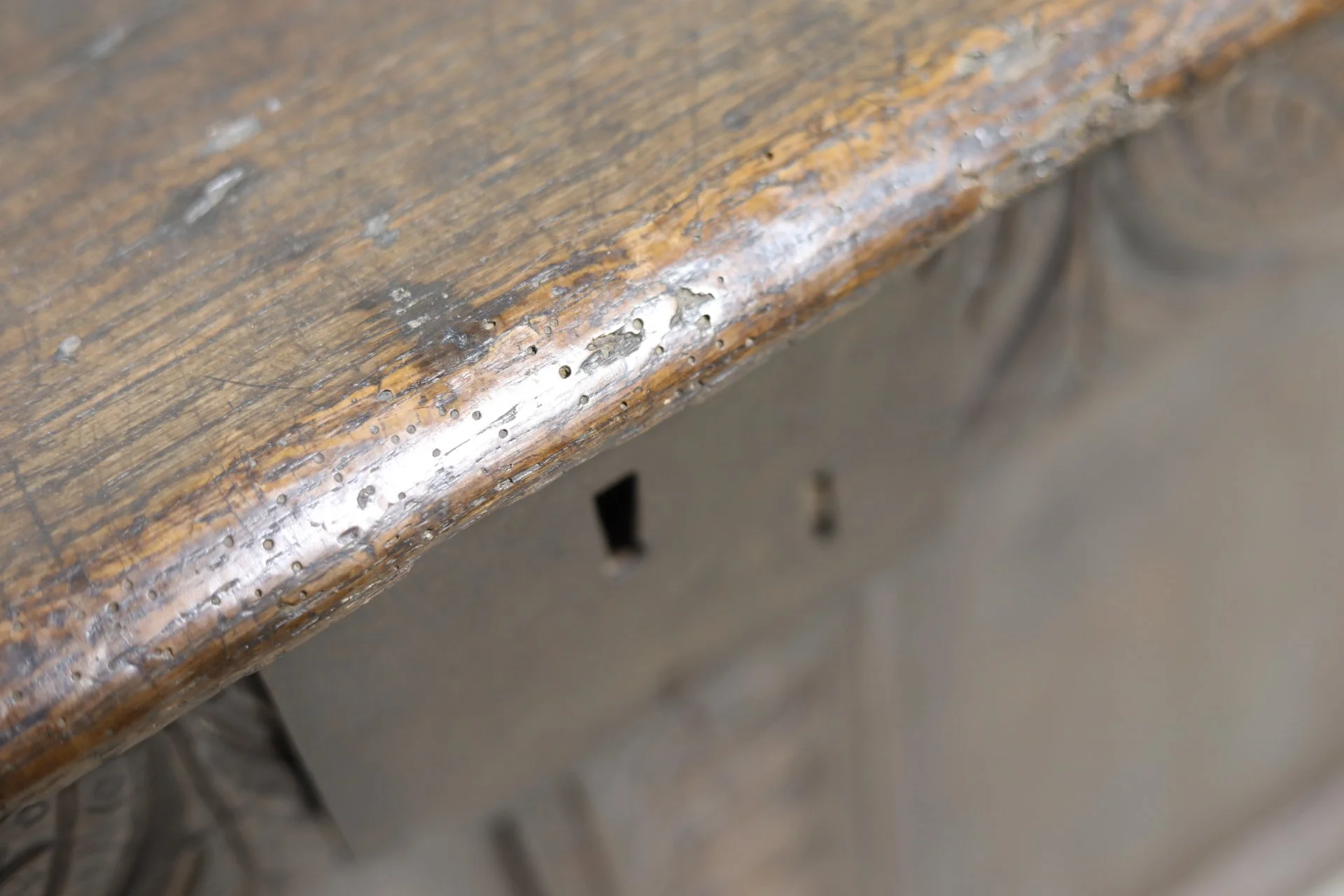
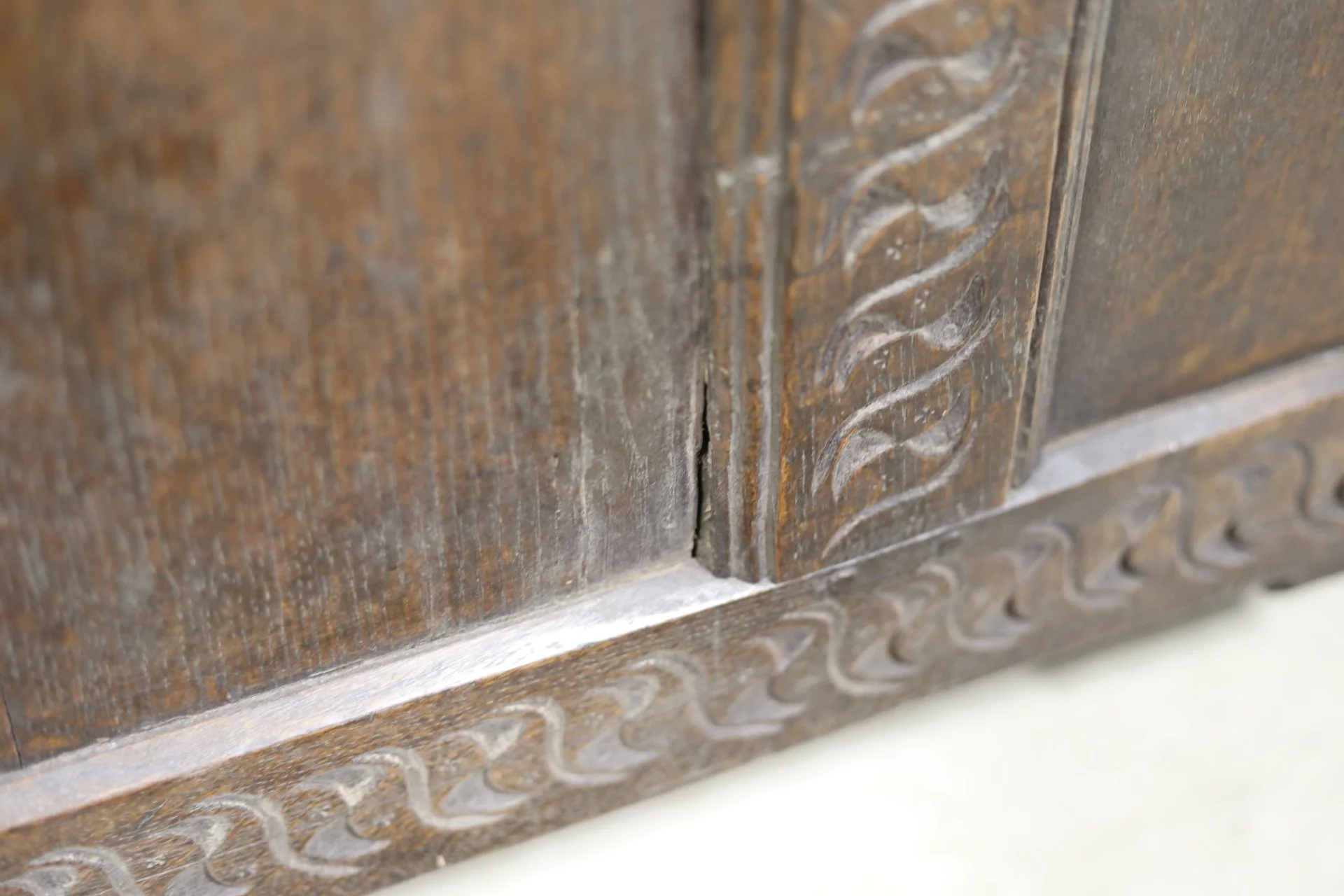
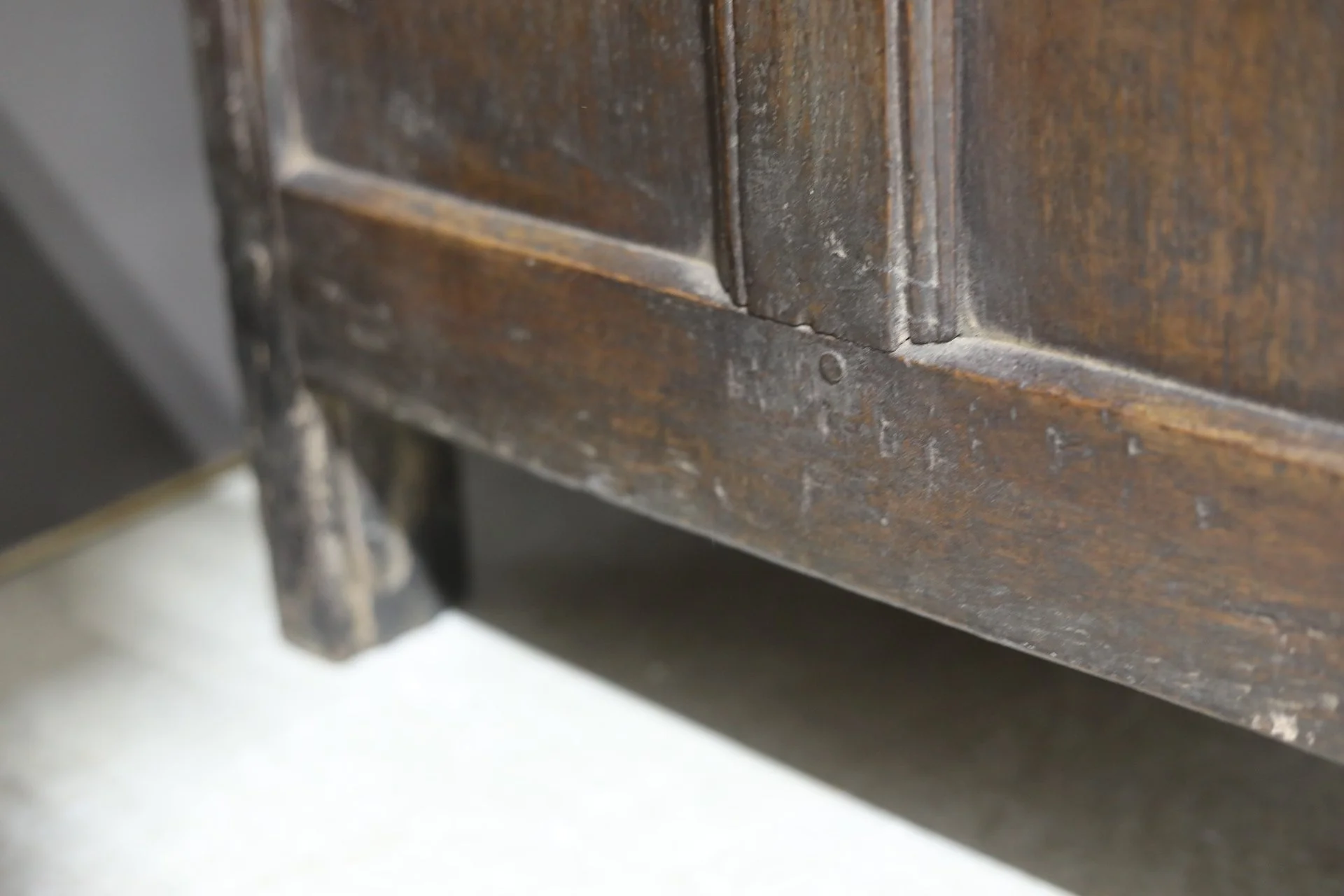
This late 17th-century coffer dates to circa 1680, with a paneled front surrounded by deeply carved foliate and lunette decoration. The oak has developed a dark, mellow surface, with the carving softened just enough to remind you how long this piece has been around.
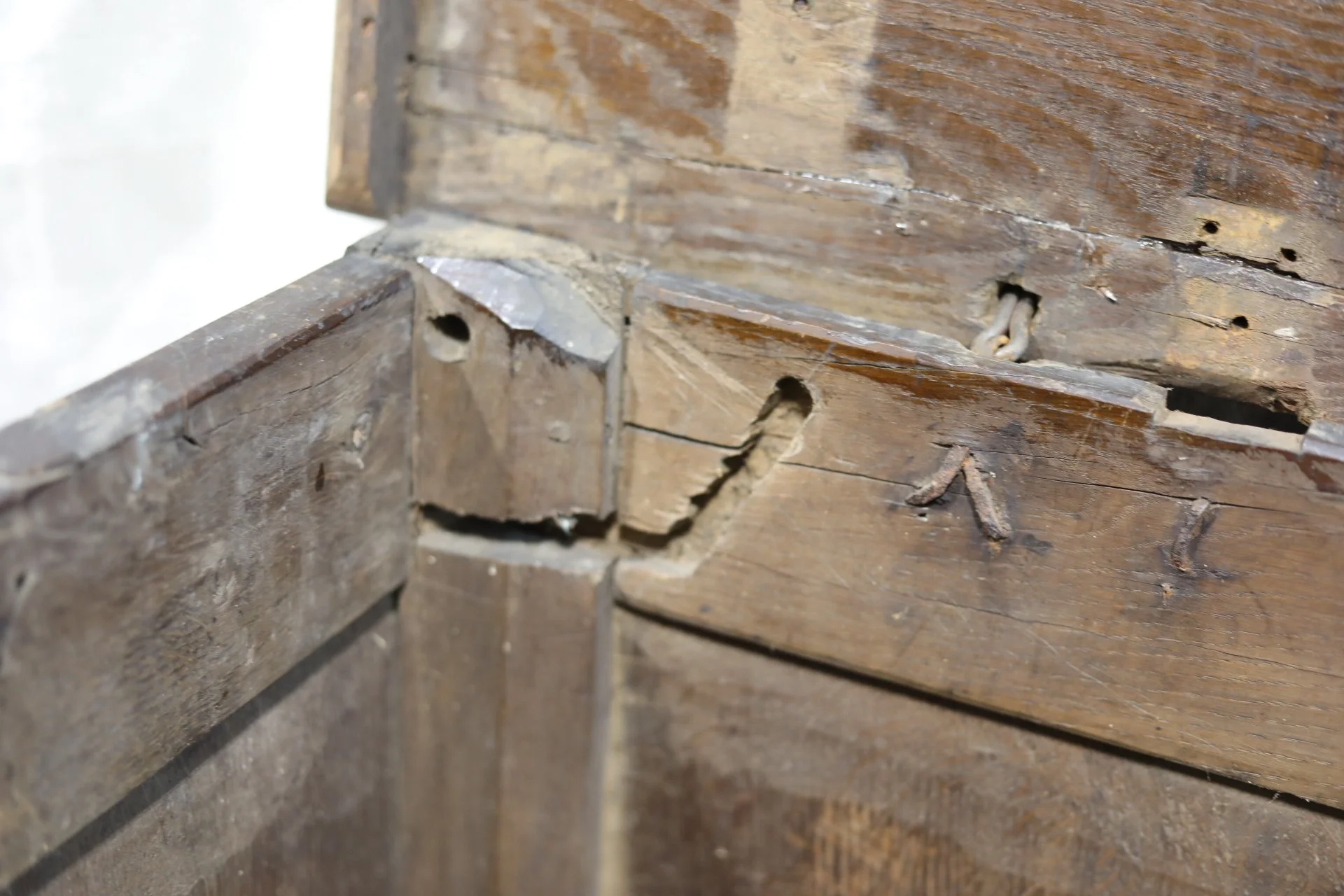
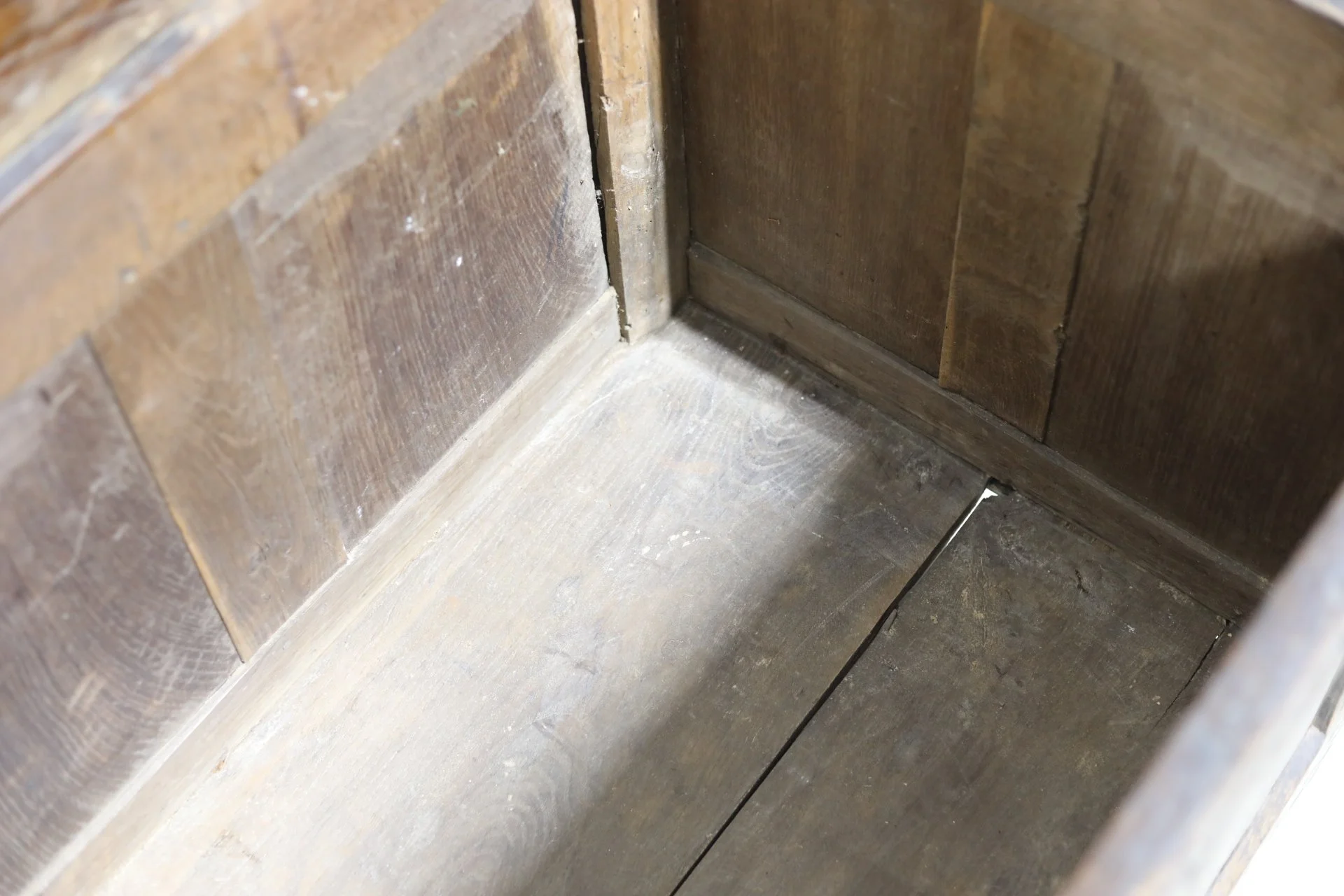
Coffers were among the great working pieces of the English home—made to hold linens, clothing and valuables, and built to last. This one has done precisely that for nearly 350 years.
Its scale is particularly good. At nearly six feet long, it has enough presence to anchor a room: at the foot of a bed, behind a sofa, beneath a large painting, or simply somewhere that could use a little 17th-century England.
A proper old thing. And a very good one.
Because every good room needs a past.